
Exploring the psychological triggers behind gambling addiction Insights from Betjee App
Understanding Gambling Addiction
Gambling addiction is a complex psychological disorder characterized by an uncontrollable urge to gamble, despite the negative consequences. This addiction can stem from various psychological triggers, including thrill-seeking behavior, escapism, and social influences. Individuals often turn to gambling as a way to cope with stress or personal issues, leading them down a path of compulsive gambling. The Betjee App offers an excellent platform for those interested in an online casino at Betjee, adding another layer of excitement to the experience.
The dopamine release associated with winning can create a strong reinforcement loop. Each small victory may reinforce the behavior, making it difficult for individuals to recognize the dangers of their gambling habits. Understanding these triggers is crucial for both prevention and treatment of gambling addiction.
The Role of Environment in Gambling Behavior
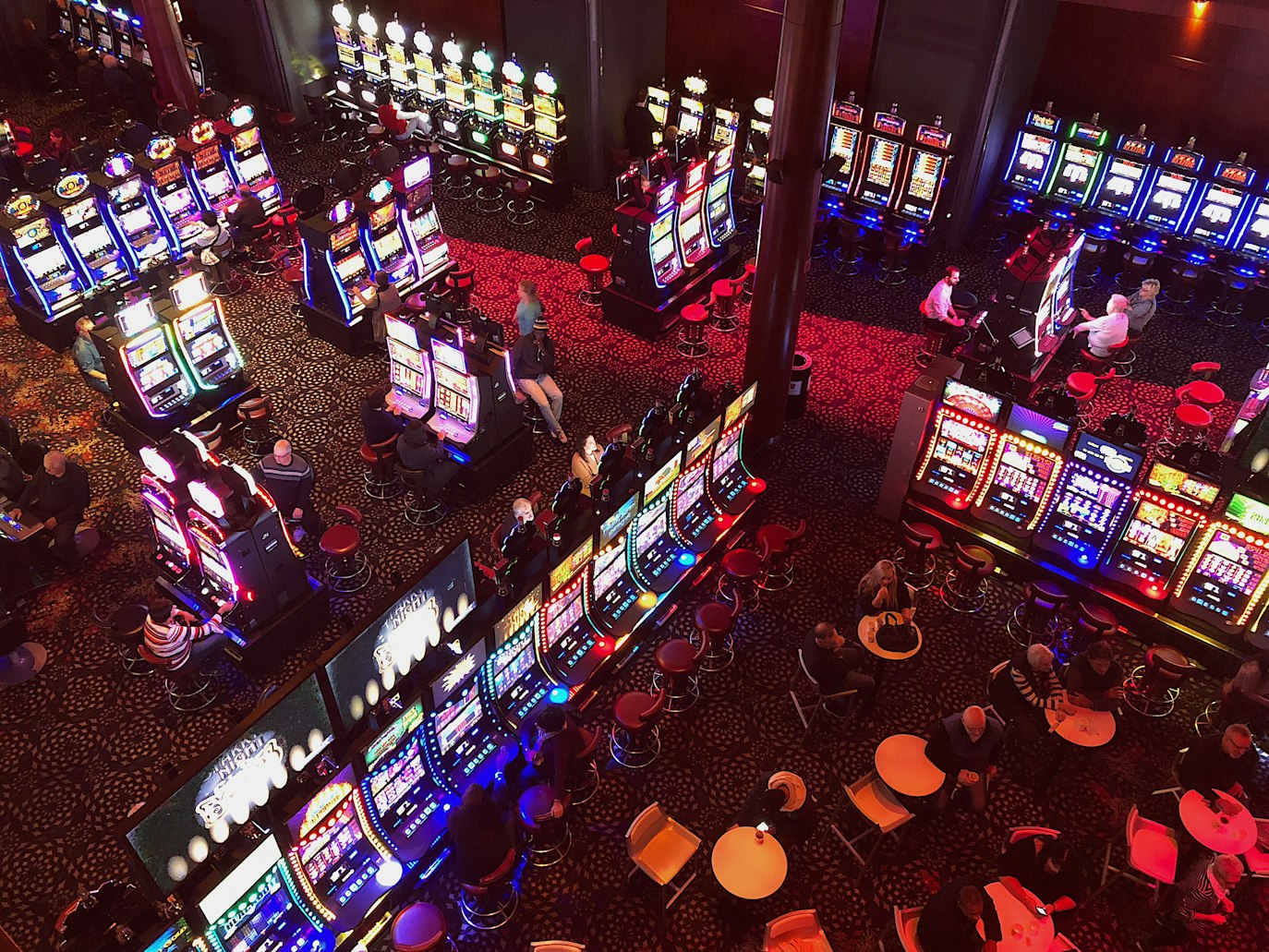
The environment in which gambling occurs can significantly impact an individual’s behavior. High-stakes casino atmospheres are designed to stimulate excitement and a sense of urgency, often filled with bright lights and sounds that heighten emotional responses. Such environments can make it easy for players to lose track of time and money.
Moreover, mobile betting applications like Betjee enhance accessibility, allowing users to gamble from the comfort of their homes or even on the go. This convenience can further encourage impulsive gambling behavior, making it essential for users to remain aware of their limits and triggers.
Psychological Triggers and Their Effects
Several psychological triggers are commonly associated with gambling addiction. One of the primary triggers is the illusion of control, where players believe they can influence the outcome of games through skill or strategy. This belief can lead to repeated gambling attempts, often resulting in significant financial losses.
Another trigger is the social aspect of gambling. Many individuals engage in betting as a social activity, finding camaraderie in the experience. However, this can also lead to peer pressure, further fueling addiction and making it harder to break free from gambling habits.
Impact of Technology on Gambling Addiction
With the rise of technology, gambling has become more accessible than ever. Mobile applications like Betjee provide users with convenient platforms to engage in sports betting and casino games. While this technology enhances the user experience, it also raises concerns about compulsive gambling due to constant accessibility.
These apps often employ features like notifications and promotions, which can serve as triggers for users to gamble impulsively. Understanding the psychological impact of these technological advancements is essential for both developers and users in creating a safer gambling environment.

Final Thoughts on Betjee and Responsible Gambling
Betjee aims to provide a seamless gaming experience while emphasizing the importance of responsible gambling. The app offers features that can help users set limits and take breaks, reinforcing the need for self-control. By understanding the psychological triggers behind gambling addiction, users can make informed decisions that enhance their gaming experience without falling into addiction.
As the gaming industry continues to evolve, it is vital for platforms like Betjee to prioritize user well-being. Education about the risks of gambling, combined with innovative features that promote responsible play, can contribute to a healthier gaming environment for all users.

