
The Allure of Risk in Gambling
Risk-taking is a fundamental aspect of human nature, and when it comes to gambling in casinos, this tendency is palpably amplified. The thrill of uncertainty and the possibility of winning big create a magnetic pull that attracts many individuals to these environments. This allure can be examined through various psychological frameworks, including the excitement associated with potential rewards and the adrenaline rush that accompanies playing casino apps and risk-taking behavior.
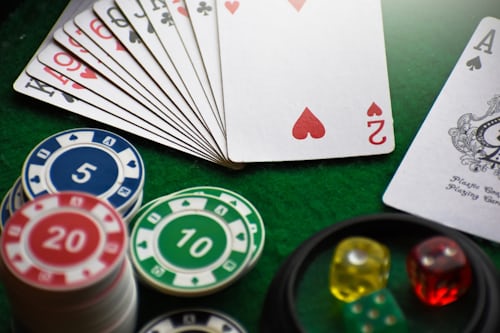
Moreover, casinos are specifically designed to heighten this sense of risk and reward. Bright lights, engaging sounds, and the presence of fellow players create a stimulating atmosphere that encourages individuals to take chances. The psychology behind engaging in such activities often revolves around a mix of excitement and escapism, as patrons seek to temporarily detach from reality while chasing the dream of financial gain.
Cognitive Biases and Their Impact on Decision-Making
Cognitive biases play a critical role in the risk-taking decisions players make in casinos. One prominent bias is the “gambler’s fallacy,” where individuals believe that past events influence future outcomes in games of chance. For instance, a player may think that a slot machine is “due” for a win after a lengthy series of losses, leading to increased bets and greater risk-taking behavior.
Additionally, the “illusion of control” can lead gamblers to overestimate their ability to influence game outcomes. This psychological phenomenon encourages individuals to engage in riskier behavior, as they may believe that skill can alter the course of random events, even in games governed by chance alone. Understanding these biases can help foster awareness about the risks inherent in gambling.
Emotional Factors Influencing Gambling Behavior
The emotional landscape of a gambler can significantly influence their propensity for risk-taking. Emotions such as excitement, anxiety, and euphoria often fluctuate during gameplay, impacting decision-making processes. For example, a player riding a wave of excitement after a win may be more inclined to increase their stakes, pursuing the high that comes with risk.
Conversely, negative emotions such as stress or frustration can lead to impulsive decisions, with individuals chasing losses in hopes of regaining control. This emotional rollercoaster not only affects individual play but also creates a broader social environment in casinos, where collective emotions can amplify risk-taking behaviors among groups.
The Role of Social Influence in Gambling Choices
Social dynamics significantly affect risk-taking in casino settings. Observational learning, where individuals emulate the behaviors of others, is prevalent in these environments. New players may adopt the betting habits and strategies of more experienced gamblers, often leading to increased risk-taking as they attempt to fit in with the group.
Furthermore, peer pressure can heighten the desire to take risks. Players may feel compelled to wager more or to stay longer than they initially intended due to the influence of friends or fellow gamblers. This communal atmosphere not only shapes individual choices but also fosters a culture of risk-taking that permeates the casino environment.

Explore Your Gaming Adventure with Us
As you delve into the thrilling world of gambling, understanding the psychology of risk-taking can enhance your gaming experience. Our platform is dedicated to guiding you through the intricacies of online casinos, ensuring that you are well-informed about your choices. We provide detailed reviews and comparisons of top-rated casinos, highlighting their unique features.
Join us today and elevate your gaming adventure with the knowledge and insights you need to navigate the exciting yet complex landscape of online gambling, from strategies to state-specific options. Together, let’s embark on a journey filled with thrilling possibilities and informed decision-making.

